
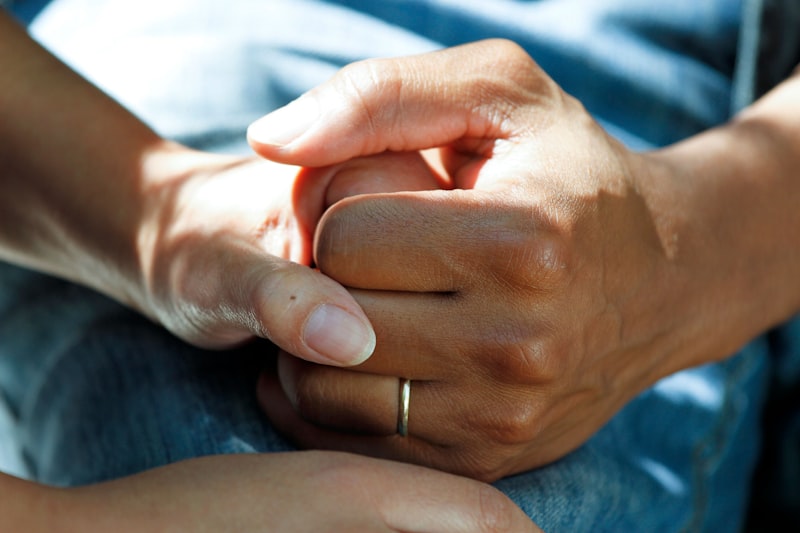
Receiving the news that there are no further treatment options can feel like the ground disappearing beneath your feet. In an instant, the focus shifts from fighting to something altogether different — and for many people, that shift brings a kind of terror, confusion, and grief that is hard to put into words.
If you or someone you love has reached this point, I want to offer something useful: a clear, honest look at what hospice care is, what it can provide, and what it means for both patients and the people who love them.
Hospice is not giving up
The most important thing I can say first is this: choosing hospice is not giving up. It is not abandoning hope. It is, in fact, a profound act of self-determination — a decision to redirect the focus of care from curing the illness to living as fully and comfortably as possible in the time that remains.
Hospice care is specifically designed for people with a terminal illness and a prognosis of six months or less, should the illness follow its expected course. It is a philosophy of care as much as it is a set of services — one that honors the whole person, not just the disease.
What hospice actually provides
Hospice is a team-based approach. When a patient enrolls, they gain access to a coordinated group of professionals:
- A physician who oversees the medical plan of care
- Nurses who make regular home visits to manage symptoms and pain
- A social worker who provides emotional support and helps navigate practical concerns
- A chaplain or spiritual care counselor for those who want that support
- Home health aides who assist with personal care
- Volunteers who provide companionship or give family caregivers a much-needed break
- Bereavement support for family members after the death
Most hospice care takes place at home — meaning the patient can remain in a familiar, comfortable environment surrounded by the people they love. Hospice can also be provided in nursing facilities, residential hospice homes, or inpatient settings when needed.
What it means for family
A terminal diagnosis doesn’t only happen to the patient. It happens to everyone who loves them. Hospice recognizes this, and family members — however you define family — are considered part of the unit of care.
This means the hospice team is there to support you too: to answer your questions, help you understand what to expect as the illness progresses, and provide guidance when difficult decisions arise. Bereavement support also continues after your loved one dies, offering help through the grief that follows.
Caregiving at the end of life is one of the most demanding things a person can do — emotionally, physically, and logistically. Hospice is not a replacement for that caregiving, but it is a significant source of support and relief.
The emotional weight of this decision
I want to acknowledge something that often goes unspoken: choosing hospice can bring up feelings of guilt. Patients sometimes worry that they are letting people down by stopping treatment. Family members sometimes fear that agreeing to hospice means they have “given up” on their loved one.
These feelings are real and deserve to be held with compassion — not dismissed. In my experience, they often coexist with a deeper, quieter knowing: that this is the right path, that quality of life matters, that the time remaining is precious and deserves to be protected.
Hospice creates the conditions for a death that is as comfortable, dignified, and meaningful as possible. It makes space for important conversations, for reconciliation, for presence. It is, at its best, a sacred form of care.
If you are considering hospice
If you have received a terminal diagnosis and are wondering whether hospice might be right for you or your family, I encourage you to ask your doctor for a referral or to reach out to a local hospice organization directly. You are also welcome to contact Sacred Passageways — I am here to offer support as you navigate this decision, whatever you ultimately choose.
You do not have to figure this out alone.


